Funded the First Buc-ee's, Built a Fortune 500
Listen or watch on your favorite platforms
Episode Gallery
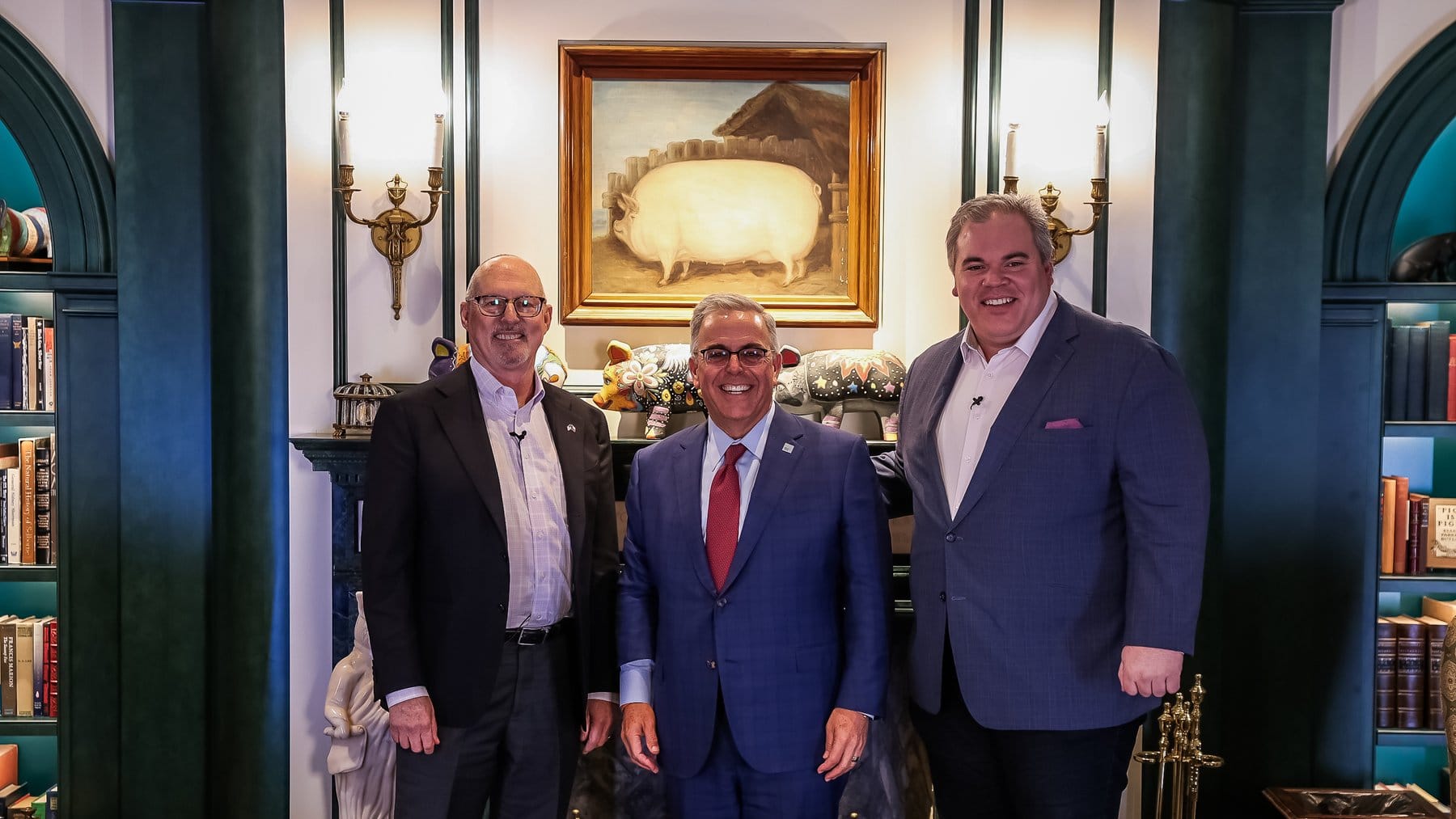
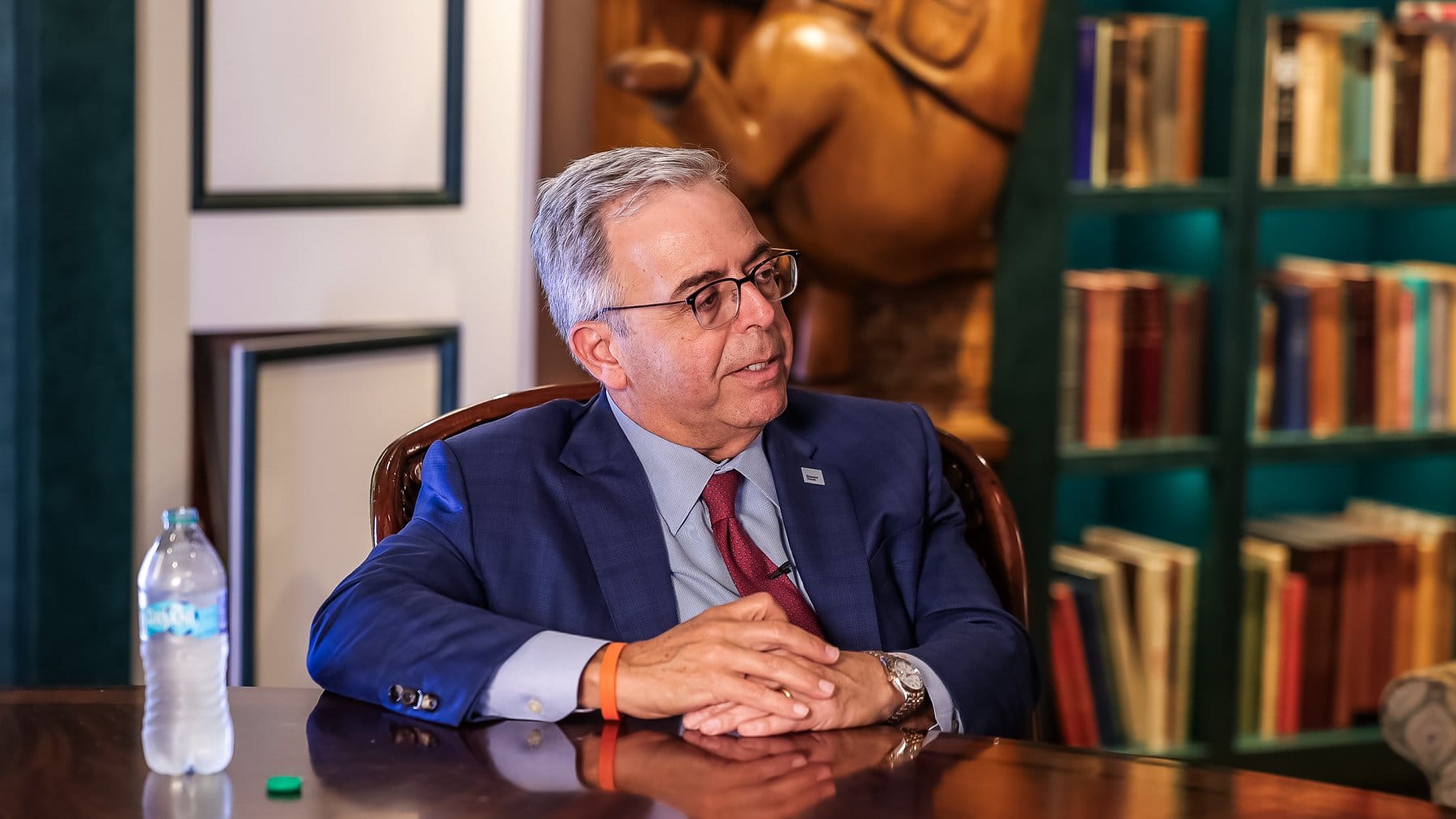
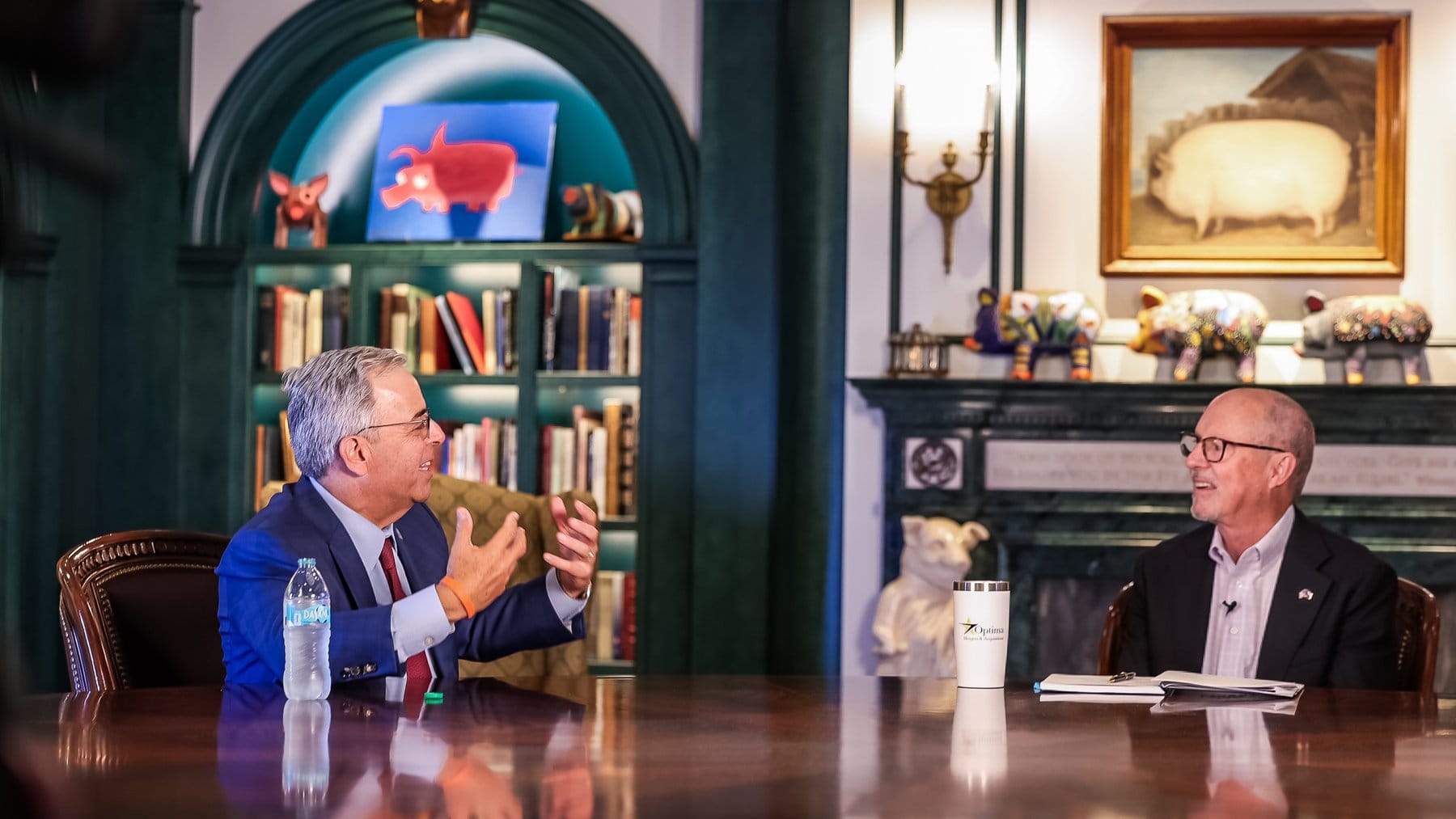
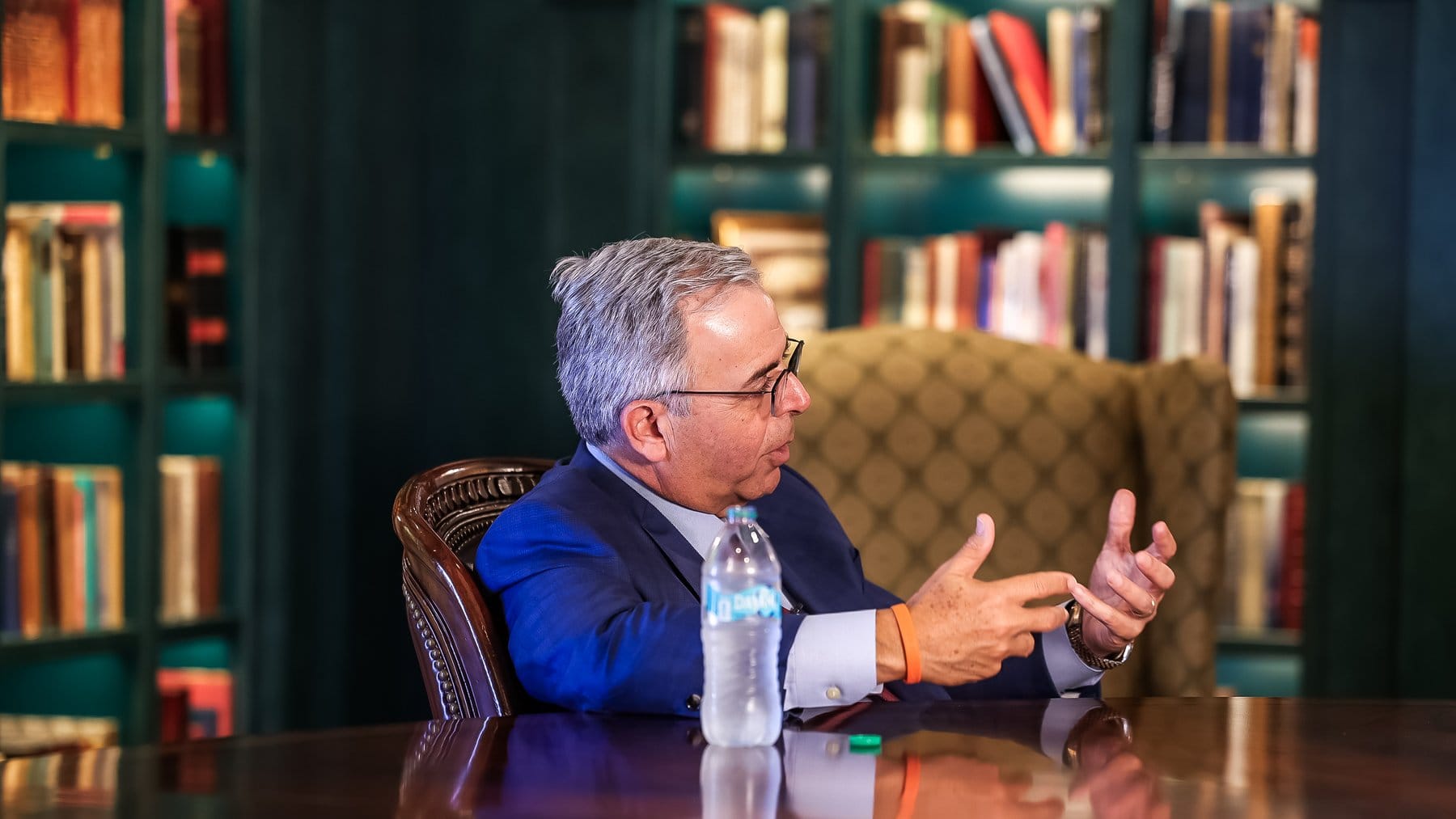
About this Episode
In 1987 the Texas oil bust took down the Susser family's banks and about 10,000 of its customer families in South Texas. Sam Susser left Salomon Brothers and came home to Corpus Christi to find a family business that couldn't afford to file for bankruptcy. What was left was five cash-only service stations making about $100,000 each, against $600,000 of overhead. "We had to outgrow the problem," he says. "We couldn't cut our way to success." In September 1988 he and his uncle bought 33 7-Eleven stores with about $1.6 million of equity from 14 investors, about $14 million of Citicorp debt, and $30,000 of his own bar mitzvah money and Salomon bonuses.
Over 28 years Susser Holdings made 18 acquisitions, did 11 high yield deals and two IPOs, brought in four private equity firms and a 50/50 joint venture with Circle K that it later bought back, and worked its cost of capital down from more than 50% a year. Its wholesale fuel business put up the equity for the first 15 or 20 Buc-ee's stores, and its stores built Laredo Taco Company from zero to nearly 500 units, a top 100 restaurant brand by sales. At its peak the company was opening 50 stores a year, consuming a quarter of a billion dollars of capital on a $200 million EBITDA business, and its bankers called it a pig because they could never fill it up. His ownership went from 3% to 6% to 30% to 100% and back down to about 15%, and he was agnostic about all of it.
He explains why a company should only go public if it plans to come back to the market twice, the Morgan Stanley meeting that taught him you end up with the investors you deserve, why he refused to give quarterly guidance, and why he believes more than 90% of companies that fail simply run out of cash. He tells how a Reverse Morris Trust pitch to Energy Transfer turned into a sale at 14.3 times forward EBITDA, an industry record, that closed one month before oil prices collapsed in 2014.
Then he went to the other side of the table. He bought control of Affiliated Bank in 2018 and has grown Susser Bank from about $600 million to nearly $3 billion in assets. He covers his grandfather's lesson about keeping activity on every line of credit, the bankers who served as his grandfather's pallbearers, why job one is a fortress balance sheet, why he won't squeeze the last quarter point out of a deal, 10 to 1 voting, and the one mistake he says cost him the first company: he never built a successor management team.
About Sam Susser
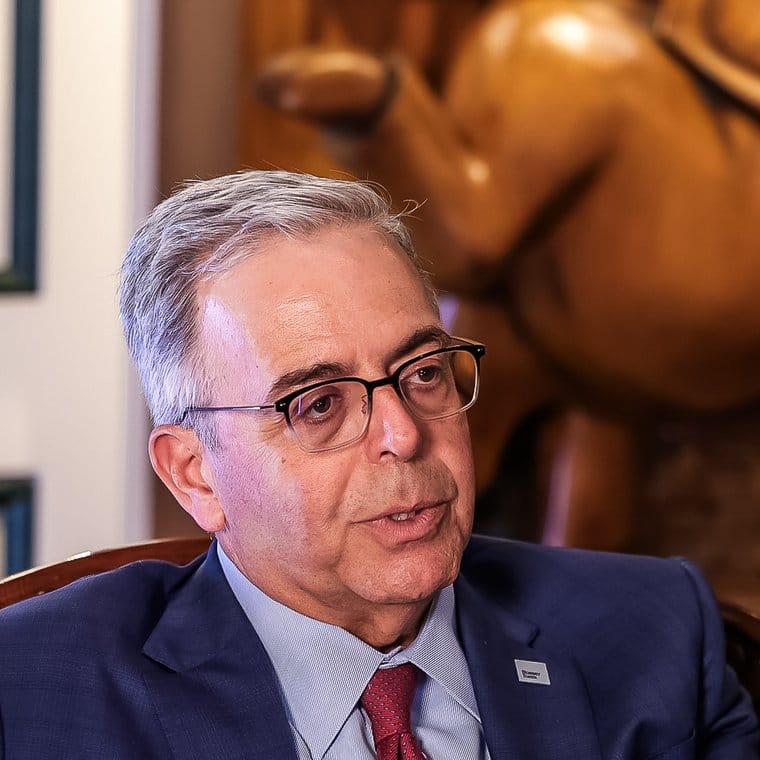
Sam Susser
Chairman and CEO, Susser Bank
Sam Susser is a fifth-generation Texas businessman. His grandfather founded the family's motor fuel distribution business in Corpus Christi more than 100 years ago, and his father and uncle were early inventors of pay at the pump. After graduating from the University of Texas at Austin, he joined Salomon Brothers in New York from 1985 to 1988. During the Texas oil bust the family's banks failed and the business was left with heavy debt it had personally guaranteed, so in 1988 he returned to Corpus Christi to rescue it. Susser Holdings grew through 18 acquisitions, 11 high yield financings and two IPOs into a Fortune 500 company with two publicly traded entities, including the first master limited partnership built for retail fuel sales, and grew Laredo Taco Company to nearly 500 units. Energy Transfer Partners acquired the company in 2014 at 14.3 times forward EBITDA, and he served as chairman of the partnership for a year after the sale. In 2018 he acquired control of Affiliated Bank and renamed it Susser Bank, growing it from about $600 million to nearly $3 billion in assets. He is an inductee of the Texas Business Hall of Fame and the McCombs School of Business Hall of Fame.